What this page covers
What does the Bible mean by joy, and how is it different from being happy?
Passages about joy and rejoicing: where Scripture says joy comes from, how it differs from happiness, and how it lives alongside grief and trials. Peace and hope have their own pages.
In everyday speech, happiness usually depends on how things are going. Joy in the Bible points somewhere else: to God’s presence (Psalm 16:11), to good news received (Luke 2:10), to a love that is shared (John 15:11). That is why biblical writers can speak of joy in prison, in trials and at the end of a night of weeping. It does not mean they were always cheerful, and it does not mean joy and sorrow cancel each other out.
Where joy comes from
The New Testament treats joy as something given before it is felt. Jesus speaks of His joy remaining in His disciples (John 15:11); Paul prays that God will fill believers “with all joy and peace in believing” (Romans 15:13) and lists joy among the fruit of the Spirit (Galatians 5:22). Fruit grows slowly. None of these passages suggests that joy can be switched on by effort, or that its absence is a sign of failure.
Joy and sorrow together
Some of the Bible’s best-known joy verses were spoken to people in tears. When the returned exiles wept at hearing the law, they were told, “Don’t be grieved, for the joy of the LORD is your strength” (Nehemiah 8:10) — and sent to share food with those who had none. The psalmist says, “Weeping may stay for the night, but joy comes in the morning” (Psalm 30:5). On His last night, Jesus told His friends they would grieve before their sorrow turned to joy (John 16:20–22).
Scripture also keeps weeping and rejoicing side by side: “a time to weep, and a time to laugh” (Ecclesiastes 3:4); “Rejoice with those who rejoice. Weep with those who weep” (Romans 12:15). Both are commanded. Neither is second best.
Joy in hard times, read carefully
Philippians 4:4 was written from prison, and James 1:2–4 asks readers to “count it all joy” when they face trials. Neither tells someone in pain to pretend. Paul’s joy is “in the Lord,” not in his chains; James is pointing to what endurance can produce, not calling suffering good. Our explanation of James 1:2-4 looks at that passage closely.
If joy feels far away
These passages are not a test to pass. Jesus wept, and many psalms are laments from start to finish. If you are grieving, the grief and loss page may serve you better than this one. A lasting loss of joy or interest in life can also be a sign of depression, which is a medical condition and not a failure of faith; please talk with a doctor or counselor. In the United States you can call or text 988 at any time.
Passages, in context
I have spoken these things to you, that My joy may remain in you, and that your joy may be made full.
Hæc locutus sum vobis: ut gaudium meum in vobis sit, et gaudium vestrum impleatur.Joannes 15:11 · Clementine Vulgate
Jesus speaks of His own joy remaining in His disciples. Joy is shared from Him and tied to remaining in His love (15:9-10), not something to produce on demand.
Jesus to His disciples at the Last Supper, the night before His death


You will show me the path of life.
In Your presence is fullness of joy.
In Your right hand there are pleasures forever more.
Latin correspondence unavailable for this passage.
“In Your presence is fullness of joy”: the psalm locates joy in nearness to God rather than in circumstances.
A psalm of trust attributed to David


Then he said to them, “Go your way. Eat the fat, drink the sweet, and send portions to him for whom nothing is prepared, for today is holy to our Lord. Don’t be grieved, for the joy of the Lord is your strength.”
Et dixit eis: Ite, comedite pinguia, et bibite mulsum, et mittite partes his qui non præparaverunt sibi, quia sanctus dies Domini est: et nolite contristari: gaudium etenim Domini est fortitudo nostra.2 Esdræ 8:10 · Clementine Vulgate
Spoken to a people weeping as they heard the law read. The joy they are given is a feast day’s joy, and it includes sending portions “to him for whom nothing is prepared.”
After the return from exile, when Ezra read the law to the assembly
For His anger is but for a moment.
His favor is for a lifetime.
Weeping may stay for the night,
but joy comes in the morning.
Quoniam ira in indignatione ejus, et vita in voluntate ejus: ad vesperum demorabitur fletus, et ad matutinum lætitia.Vulgate Psalm 29:6 · Clementine Vulgate
“Weeping may stay for the night, but joy comes in the morning.” The psalm makes room for the night and does not say how long it lasts.
A psalm of thanksgiving after deliverance, attributed to David
The angel said to them, “Don’t be afraid, for behold, I bring you good news of great joy which will be to all the people.
Et dixit illis angelus: Nolite timere: ecce enim evangelizo vobis gaudium magnum, quod erit omni populo:Lucas 2:10 · Clementine Vulgate
Joy as news received: “good news of great joy which will be to all the people,” announced to shepherds at night.
The angel to the shepherds at the birth of Jesus


Rejoice in the Lord always! Again I will say, “Rejoice!”
Gaudete in Domino semper: iterum dico gaudete.ad Philippenses 4:4 · Clementine Vulgate
“Rejoice in the Lord always!” was written by a prisoner. The joy is “in the Lord,” not in circumstances; it is a call to a community, not a demand to feel cheerful.
Paul, writing from prison to the Philippians
Most certainly I tell you that you will weep and lament, but the world will rejoice. You will be sorrowful, but your sorrow will be turned into joy. A woman, when she gives birth, has sorrow because her time has come. But when she has delivered the child, she doesn’t remember the anguish any more, for the joy that a human being is born into the world. Therefore you now have sorrow, but I will see you again, and your heart will rejoice, and no one will take your joy away from you.
Amen, amen dico vobis: quia plorabitis, et flebitis vos, mundus autem gaudebit; vos autem contristabimini, sed tristitia vestra vertetur in gaudium. Mulier cum parit, tristitiam habet, quia venit hora ejus; cum autem pepererit puerum, jam non meminit pressuræ propter gaudium, quia natus est homo in mundum. Et vos igitur nunc quidem tristitiam habetis, iterum autem videbo vos, et gaudebit cor vestrum: et gaudium vestrum nemo tollet a vobis.Joannes 16:20–22 · Clementine Vulgate
Jesus tells His disciples plainly that they will weep, then promises that “your sorrow will be turned into joy.” The sorrow is real first.
Jesus’ farewell words the night before His death
Now may the God of hope fill you with all joy and peace in believing, that you may abound in hope in the power of the Holy Spirit.
Deus autem spei repleat vos omni gaudio, et pace in credendo: ut abundetis in spe, et virtute Spiritus Sancti.ad Romanos 15:13 · Clementine Vulgate
Paul prays that God will fill believers with joy and peace “in believing.” Joy is asked for as a gift from God.
Paul’s blessing near the end of Romans


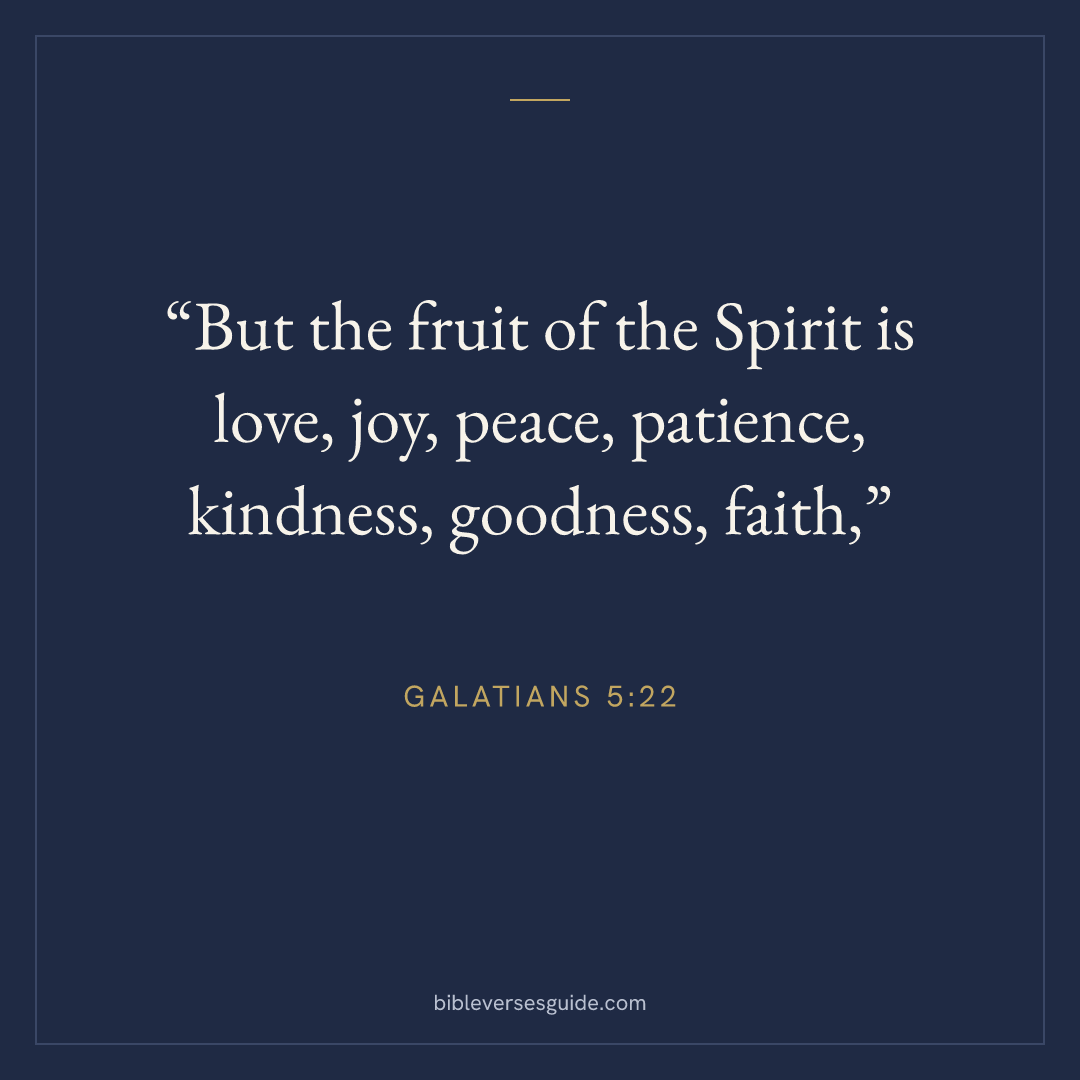
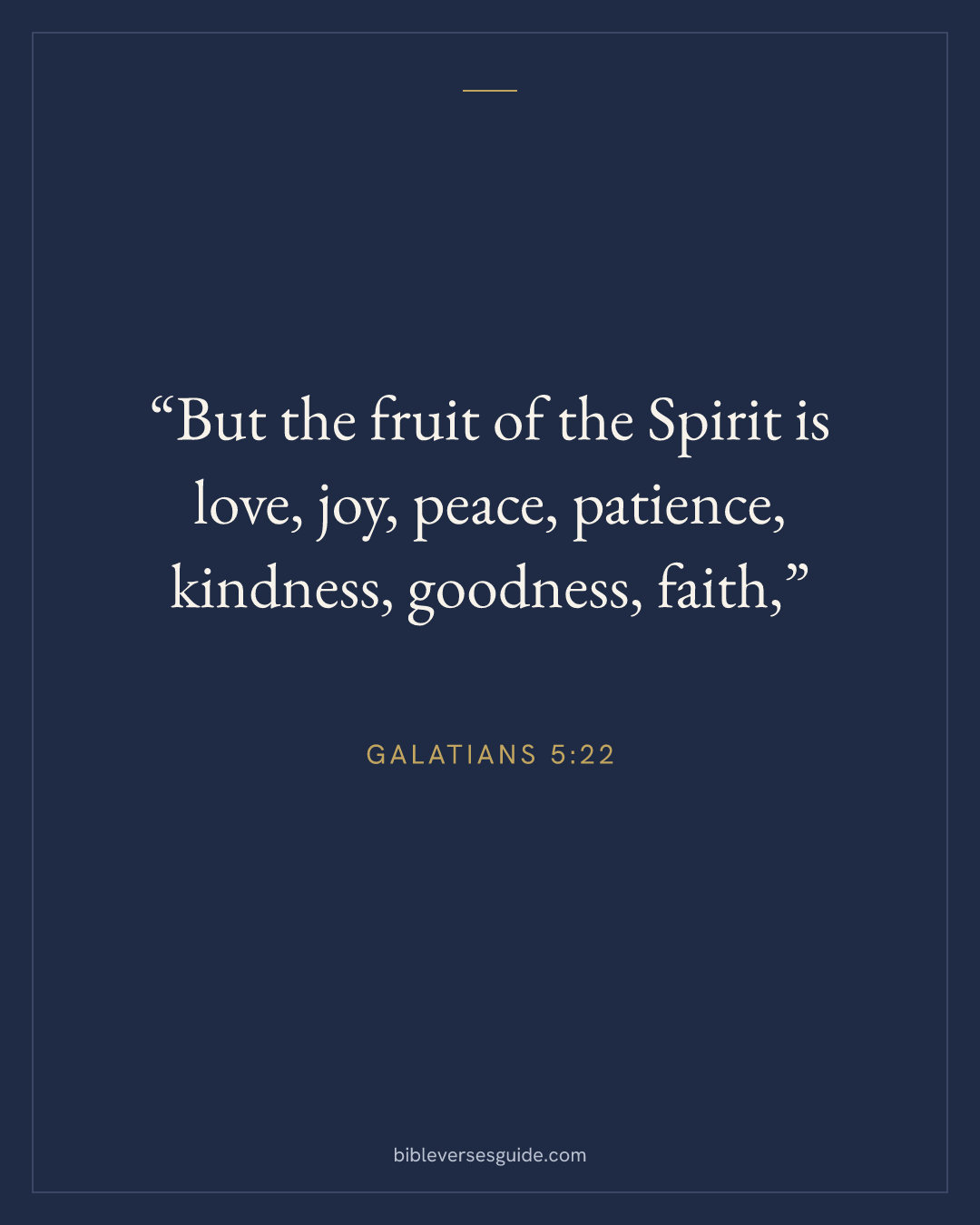
But the fruit of the Spirit is love, joy, peace, patience, kindness, goodness, faith,
Fructus autem Spiritus est caritas, gaudium, pax, patientia, benignitas, bonitas, longanimitas,ad Galatas 5:22 · Clementine Vulgate
Joy is listed as fruit of the Spirit: something that grows over time alongside love and peace, not a feeling to manufacture.
Paul contrasting life by the Spirit with life by the flesh
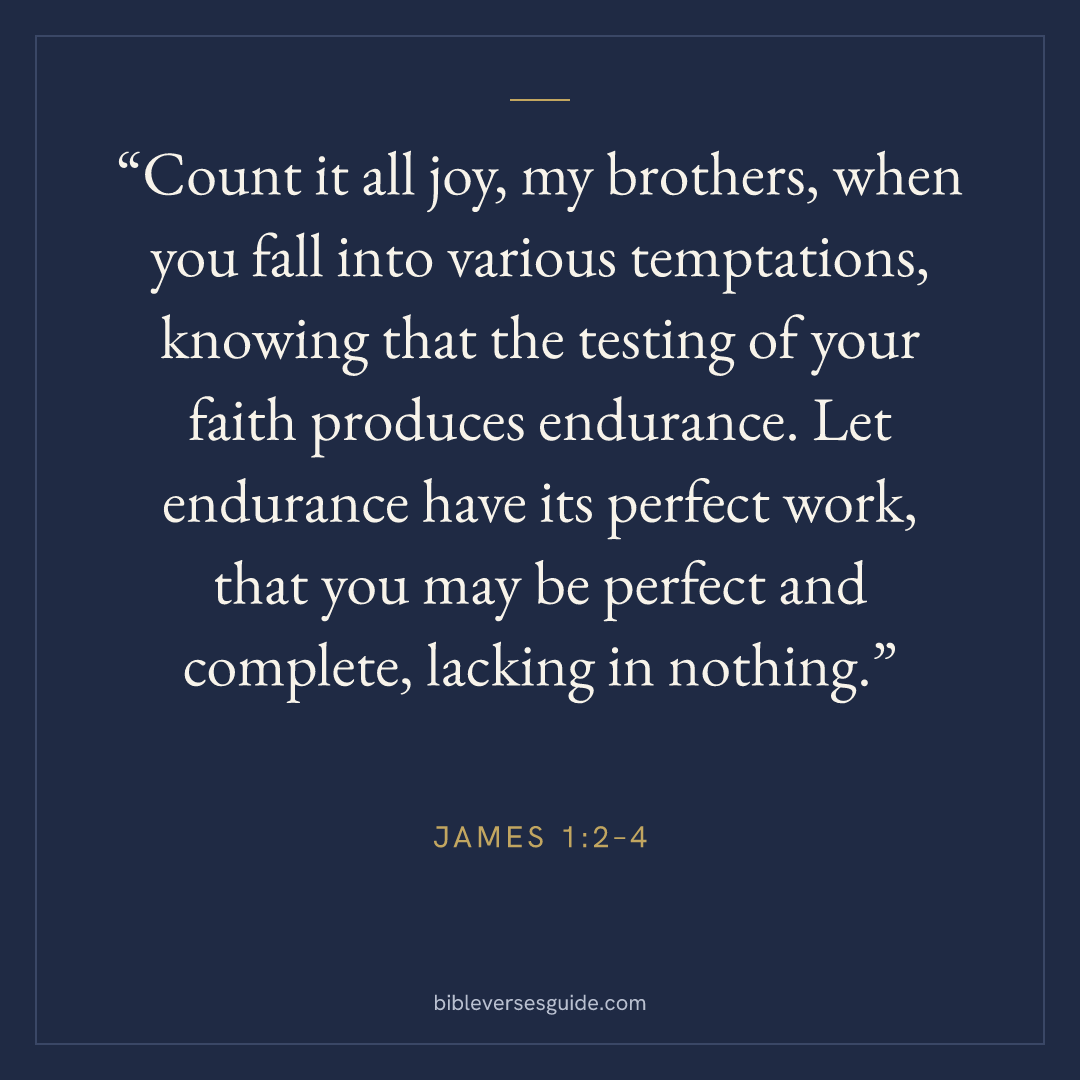
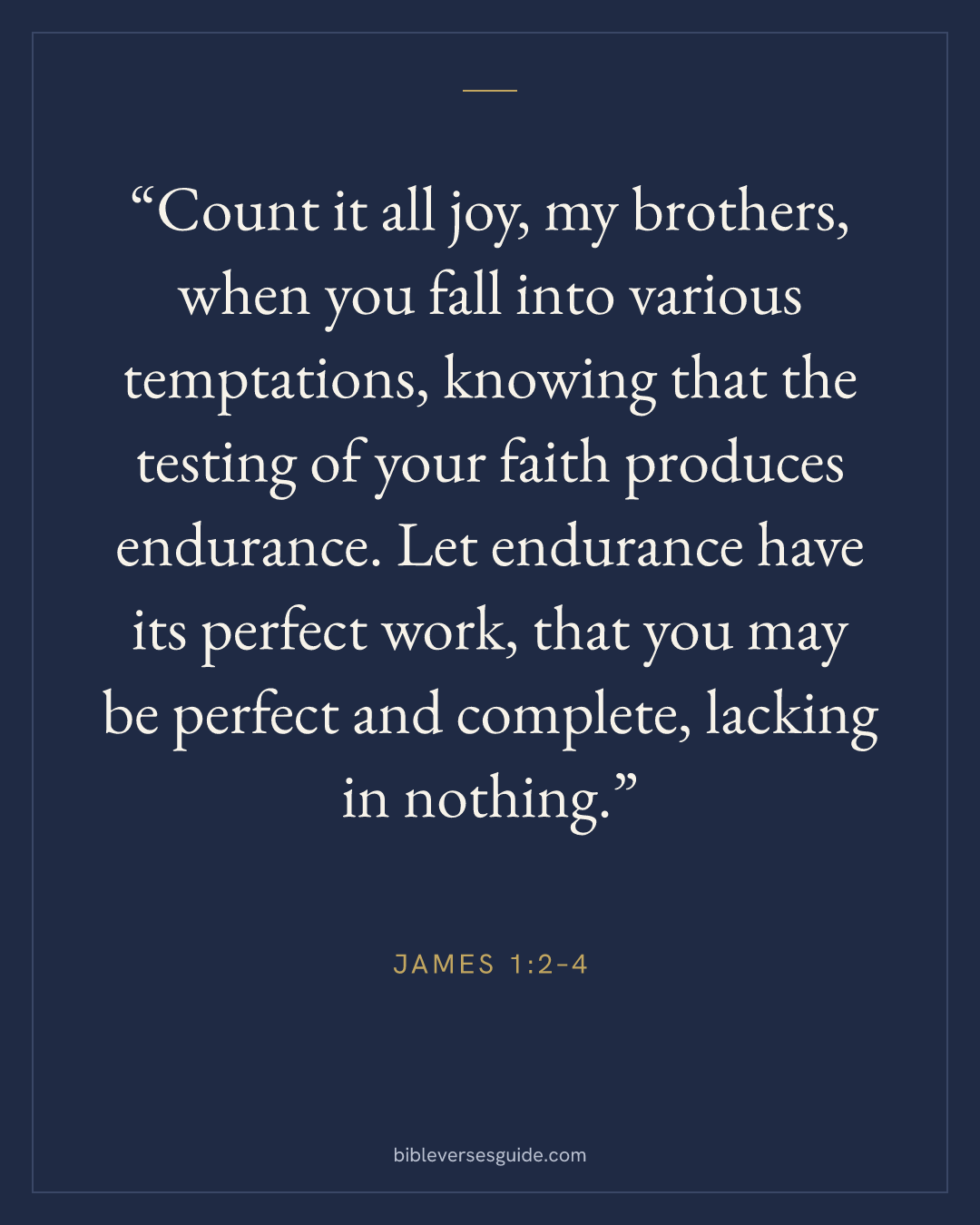
Count it all joy, my brothers, when you fall into various temptations, knowing that the testing of your faith produces endurance. Let endurance have its perfect work, that you may be perfect and complete, lacking in nothing.
Omne gaudium existimate fratres mei, cum in tentationes varias incideritis: scientes quod probatio fidei vestræ patientiam operatur. Patientia autem opus perfectum habet: ut sitis perfecti et integri in nullo deficientes.Jacobi 1:2–4 · Clementine Vulgate
“Count it all joy” when trials come — not because trials are good, but because of the endurance and maturity they can produce.
The opening of the Letter of James, to believers scattered abroad
How this differs from related topics
Hope looks to what God will do; peace is present wholeness; joy is gladness in God that can be present even in sorrow. This page does not tell anyone they ought to feel joyful. Scripture makes room for weeping, and grief and depression are not failures of faith; if you are grieving, the Grief and loss page may be the better place to start.